At first glance, the photograph seems ordinary, almost gentle, the kind of image that quietly stirs nostalgia without demanding attention. It feels familiar, calm, and unassuming. But when you pause and truly look closer, something deeper begins to emerge. The unmistakable spirit of the 1970s reveals itself, not loudly, but with quiet confidence. This was not merely a decade defined by shifting hemlines or bold colors. It was a period when fashion evolved into a powerful form of expression, allowing people to communicate identity, freedom, and belief without speaking a word.
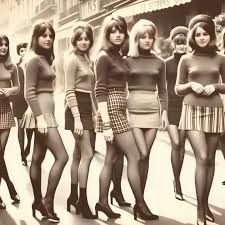
As the decade unfolded, style steadily moved away from the rigid expectations that had shaped earlier eras. Structured silhouettes and strict rules softened, giving way to relaxed lines and flowing forms. Clothing became more forgiving, more natural, and far more personal. Comfort rose to the same level of importance as beauty, and for many women, this shift felt transformative. Fashion no longer restricted movement or expression. Instead, it encouraged confidence, ease, and authenticity, reflecting a broader cultural desire to live more openly and honestly.
The 1970s introduced unforgettable looks and fearless style icons who embodied this evolution. Diana Ross mesmerized audiences in shimmering satin that captured both light and emotion, while Bianca Jagger mastered an elegant balance between sophistication and daring individuality. Their fashion choices were never simply about trends. They mirrored a society actively questioning old boundaries and redefining itself. Ross’s flowing bronze gown from 1970, for example, expressed drama, soul, and brilliance, capturing the emotional energy that defined the era.
As the decade progressed, disco culture took center stage and reshaped how people dressed for the night. Iconic venues like Studio 54 became living runways where fashion and movement blended seamlessly. Metallic fabrics, confident silhouettes, and form-fitting designs dominated evening wear. Dressing up became an experience rather than a requirement. Clothing shimmered under lights, moved with the body, and celebrated joy. Fashion became an extension of music and motion, enhancing the shared excitement of nightlife while maintaining an unmistakable sense of style.
Daytime fashion, however, told a different but equally meaningful story. While nights sparkled, days embraced a polished sense of ease. Designers such as Halston and Calvin Klein understood the realities of modern life and responded with clean, functional designs that never sacrificed refinement. Soft, accessible fabrics like polyester allowed garments to drape beautifully while remaining practical. Clothing adapted to real lives, reinforcing the idea that style did not need to come at the cost of comfort or simplicity.
Denim emerged as one of the most enduring symbols of the decade. Once associated primarily with workwear, jeans evolved into a universal staple worn across social and cultural boundaries. Designers elevated denim into a statement of identity, proving that everyday materials could carry depth and meaning. Whether styled with tailored jackets or flowing blouses, denim reflected the democratic spirit of the seventies, uniting practicality with personal expression.
Accessories played a subtle yet significant role in defining the era’s aesthetic. Wide belts, statement jewelry, scarves, and platform shoes added individuality without overpowering an outfit. These details allowed people to personalize their looks, reinforcing the belief that fashion belonged to everyone. Each accessory became a quiet declaration of taste and confidence, contributing to a larger personal narrative woven through everyday life.
Fashion in the 1970s also mirrored major social shifts beyond the runway. Conversations about equality, independence, and creative freedom found visible expression in clothing. People dressed in ways that aligned with their values, blending imagination with practicality. Streets, offices, and social spaces transformed into reflections of a changing society, shaped by individuals who used fashion as a form of participation in cultural dialogue.
The influence of the 1970s remains visible in modern wardrobes and collections. Contemporary designers continue to draw inspiration from its relaxed tailoring, expressive textures, and confident simplicity. These elements endure because they speak to timeless desires for comfort, dignity, and self-expression. The era’s aesthetic resonates not as nostalgia alone, but as a reminder of fashion’s ability to empower.
Beyond silhouettes and fabrics, the emotional legacy of seventies fashion is what continues to linger. For those who lived through the era, these styles are deeply connected to memories of change, possibility, and newfound confidence. Clothing accompanied both ordinary routines and meaningful moments, becoming part of personal histories shaped by optimism and shared cultural movement.
What truly distinguished fashion in the 1970s was its embrace of contrast. Tailored elegance coexisted with bohemian freedom. Glamour lived comfortably alongside simplicity. Individual expression mattered more than rigid conformity, and personal taste was celebrated rather than restrained. This balance created a visual language that remains relevant decades later.
More than a passing trend, fashion in the 1970s transformed how people understood self-expression. Clothing became a reflection of inner values, social evolution, and personal confidence. It allowed individuals to present themselves honestly and without apology. That is why the influence of this era endures. It reminds us that style, at its best, is not about perfection, but about freedom, authenticity, and the courage to be seen.