Modern home life runs on quiet systems we rarely think about, and few appliances play a more essential role than the washing machine. It works behind the scenes, handling the physical traces of everyday living, from muddy shoes and gym clothes to kitchen towels and bedding. Most of us interact with it on autopilot. We load the drum, add detergent, press start, and walk away. Yet inside that familiar appliance exists a small but critical component that almost always goes unnoticed until a problem appears: the washing machine filter.
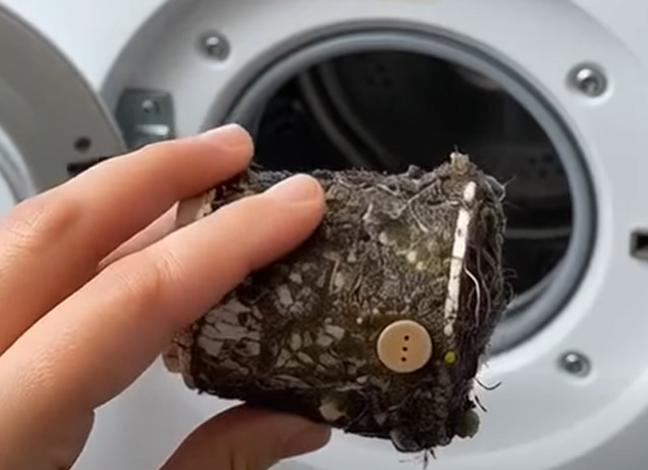
This filter acts as a protective barrier between your laundry and the machine’s internal drainage system. During every wash cycle, it captures debris that would otherwise circulate through the pump and pipes. Loose lint from fabrics, strands of hair, forgotten coins, buttons, and detergent residue are all collected there. Over time, these materials combine into a damp buildup that clings to the filter. When left unchecked, this accumulation creates the perfect environment for bacteria and mold to grow, undermining the very purpose of washing clothes.
One of the earliest signs of a neglected filter is a lingering odor that refuses to disappear. You may notice that freshly washed clothing carries a faint musty smell, even straight from the drum. Sometimes, garments emerge with streaks of residue or specks of gray lint stuck to the fabric. These issues occur because a clogged filter restricts water flow, preventing complete drainage. Instead of fully removing dirty water, the machine recirculates a portion back into the drum during the rinse cycle, contaminating clothes that should be clean.
Beyond odor and appearance, a blocked filter places unnecessary stress on the washing machine itself. The pump must work harder to push water through the obstruction, leading to longer cycle times and louder operation. Over months, this extra strain increases wear on internal components and raises the risk of costly repairs. In many cases, a failing pump or drainage error could have been avoided entirely with routine filter maintenance that takes less than ten minutes.
Creating a monthly habit of checking your washing machine is a simple yet powerful form of preventative care. Before starting, safety comes first. Always turn off the machine and unplug it from the power source. The filter’s location varies depending on the model, but it is generally easy to access. Front-loading washers typically have a small panel at the bottom front, while top-loading machines may hide the filter inside the agitator or along the rim of the drum.
Before opening the filter compartment, place a towel or shallow container underneath. Because the filter sits low in the machine, a small amount of trapped water will usually spill out. This water may appear cloudy or gray, which is normal for a filter that has not been cleaned recently. Slowly remove the filter and prepare to encounter clumps of lint, hair, and residue. While unpleasant, clearing this material is essential for restoring proper function.
Rinse the filter under warm running water, using your fingers to loosen debris. For stubborn buildup, a soft brush like an old toothbrush works well without damaging the mesh. Take a moment to wipe the filter housing with a damp cloth to remove any remaining residue. Once everything is clean, securely reinstall the filter, ensuring it is sealed properly to prevent leaks.
This monthly check is also the ideal opportunity to refresh the interior of the washing machine. Mineral deposits and detergent film gradually coat the drum and internal pipes, even if the filter is clean. Running an empty cycle on the hottest setting with one cup of white distilled vinegar helps dissolve buildup and neutralize odors. Vinegar acts as a natural deodorizer and disinfectant, improving performance without harsh chemicals or expensive cleaning products.
The results of consistent filter maintenance are noticeable almost immediately. Clothes rinse more thoroughly, feel softer, and smell genuinely clean. Over time, the machine runs more quietly and efficiently, using less energy and water because it no longer compensates for restricted drainage. This efficiency translates into lower utility costs and a longer lifespan for the appliance.
From a financial perspective, routine filter cleaning is one of the easiest ways to protect your investment. Many washing machine repairs stem from neglect rather than mechanical defects. A pump that operates without obstruction experiences less stress and is far less likely to fail prematurely. Spending a few minutes each month can save hundreds of dollars in repair or replacement costs over the life of the machine.
There is also a broader benefit to this habit. Caring for household appliances promotes a mindset of responsibility and sustainability. Instead of treating machines as disposable items to be replaced at the first sign of trouble, regular maintenance encourages longevity and reduces waste. It is a quiet but meaningful step toward a more mindful and efficient home.
The next time your washing machine starts its familiar cycle, remember the unseen work happening inside. That small filter stands between clean laundry and lingering odors, between smooth operation and mechanical failure. By opening your washing machine once a month and giving attention to this overlooked component, you ensure consistent performance and better results. This simple practice proves that effective home care is not about buying more products, but about understanding and maintaining the tools we already depend on every day.