At exactly three in the morning, my phone rang, slicing through the silence like something sharp and unforgiving. I was awake instantly, my heart racing before I even reached for the screen. I did not need to check the caller ID to know something was wrong. When I answered, my daughter’s voice came through the speaker in shattered pieces, soaked in fear so raw it made my hands shake. She was crying so hard she struggled to breathe, each word breaking apart before it reached me. She begged me to come immediately, whispering that he was there again and that she was scared. I did not ask questions. I did not pause. I grabbed my coat and ran out into the night, driven by instinct and dread. But even as I drove, a terrible certainty settled in my chest. I was already too late.
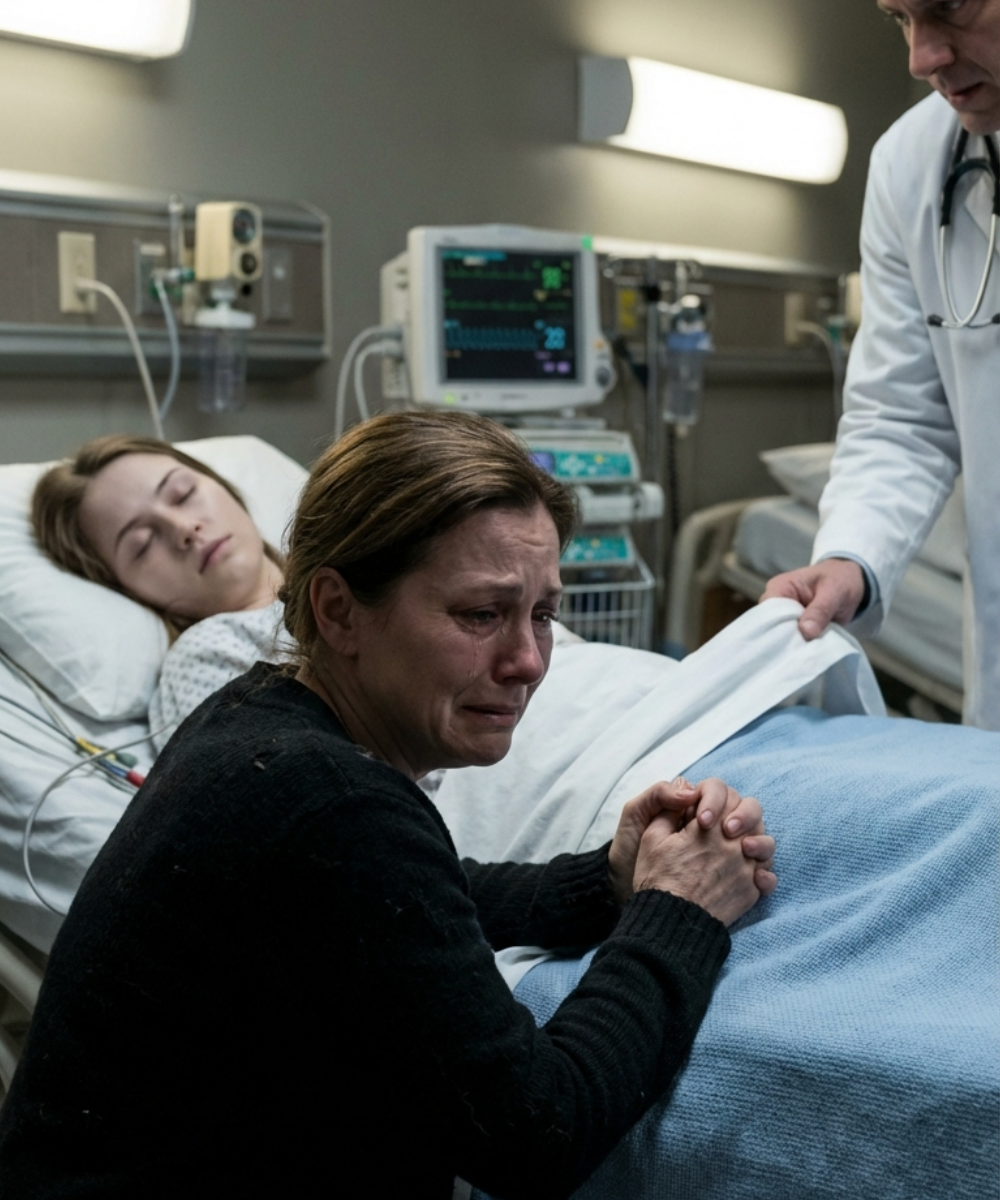
By the time I reached the hospital, the corridors were unnervingly quiet. A doctor was waiting near the entrance to the ward, his expression heavy and distant. He did not meet my eyes as he led me down the hallway. He stopped beside a bed, lifted a white sheet, and gently covered my daughter’s face. His voice was soft, practiced, and final as he offered his condolences. I did not scream or fall apart. I stood there, frozen, watching my world blur at the edges. The doctor explained that, according to her husband, she had been attacked by a mugger while walking home. The injuries, he said, were severe, and she did not survive. The words washed over me without meaning. The police accepted the explanation easily. They shook my son-in-law’s hand, spoke of tragedy and bad luck, and treated the incident as a random act of violence. Everyone felt sorry for Mark. Everyone except me.
My daughter did not call me to say goodbye. She called because she was afraid and needed help. Before the sun rose, I went back to their house. Mark was pacing the living room, his movements frantic and rehearsed, as though he were performing grief rather than experiencing it. His hands trembled, his voice cracked, and his eyes darted toward me, searching for cues. The room itself looked like a staged disaster. A table lay overturned. A lamp was shattered. Books were scattered across the floor, and a dent marked the wall. I gestured calmly and asked if he had done all of this. He snapped that he had lost control, that his wife was dead, and that he had already told the police everything. He insisted she had gone out and been attacked, probably for her jewelry. I repeated his words slowly and asked why the medical report described injuries consistent with repeated impacts against a hard surface rather than a quick street assault. His mouth opened, then closed.
I explained that robbers do not linger and do not continue striking someone for extended periods. He shouted that he had not been there and claimed he was in the shower when it happened. I nodded and reminded him that my daughter had told me the water heater was broken and not scheduled for repair until the following week. The color drained from his face. He stammered that he had taken a cold shower after they argued. I asked what they argued about. He said nothing, that she had ruined dinner. I glanced at the kitchen, which was spotless and untouched. I then pointed out the fresh red marks on his arm. He looked down instinctively and claimed he had scratched himself from stress. I told him they looked like fingernail marks. His expression hardened, and he demanded to know why I was questioning him instead of comforting him. I told him quietly that I already knew who was responsible.
He froze as I reached into my bag. When he saw the transparent evidence pouch in my hand, his face turned pale. Inside was my daughter’s shattered phone. I told him the nurse had given it to me. He stared at it as if it were something alive. He began to protest, insisting he had not touched it. I asked why her ring was still on her finger if the motive had been theft, and why the phone was left behind. Sweat gathered on his forehead as I stepped closer and asked if he understood cloud backups. I explained that my daughter had saved everything, recordings of fear, threats, and nights she was afraid to sleep. He moved toward me, demanding the phone, but stumbled. I told him it was evidence and that copies already existed. The final video showed my daughter looking into the camera, saying she was afraid her husband would kill her. That was when the lie finally collapsed.