The sentencing of Nikolas Cruz stands as one of the most closely watched and emotionally charged legal outcomes in recent American history. The case traces back to February 14, 2018, when a tragic event unfolded at Marjory Stoneman Douglas High School in Parkland, Florida. Seventeen students and staff members lost their lives, leaving a profound impact on families, the local community, and the nation as a whole. In the years that followed, the case became a focal point for conversations about justice, public safety, mental health, and the broader responsibilities of society.
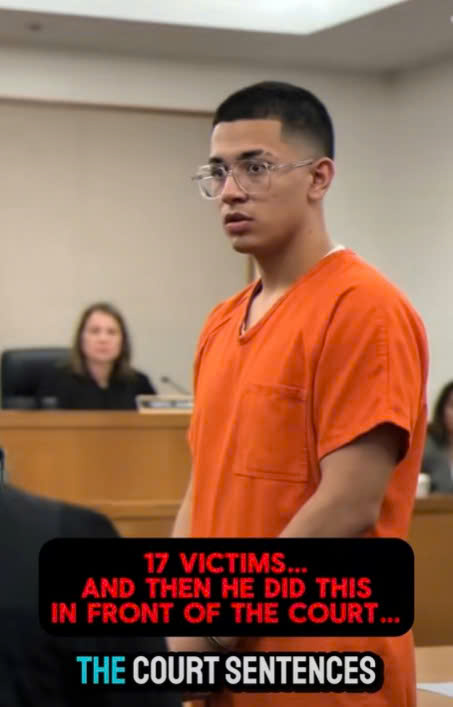
In October 2021, Cruz entered a guilty plea to 17 counts of first-degree murder and 17 counts of attempted murder. With guilt no longer in question, the legal process moved into its next phase: determining the appropriate sentence. The central issue became whether Cruz should receive the death penalty or spend the rest of his life in prison without the possibility of parole. This phase of the trial began in mid-2022 and extended over several months, reflecting the gravity and complexity of the decision at hand.
During the sentencing proceedings, the prosecution presented its case with a clear argument: the nature of the crime, combined with its apparent planning, justified the most severe penalty available under the law. Evidence was introduced to show that the actions had been deliberate and carefully considered in advance. Prosecutors emphasized the scale of loss and the lasting impact on the victims’ families, arguing that the severity of the outcome called for the harshest possible legal response.
The defense, however, approached the case from a different perspective. Attorneys focused on Cruz’s personal history, pointing to a background marked by significant challenges. They highlighted documented mental health issues, including conditions associated with fetal alcohol spectrum disorders, as well as a childhood characterized by instability, neglect, and hardship. According to the defense, these factors did not excuse the actions but were relevant in assessing moral responsibility and determining whether capital punishment was appropriate.
As the trial progressed, the courtroom became a space where deeply personal stories were shared. Survivors, family members, mental health professionals, and law enforcement officials all contributed testimony. For many families, this was an opportunity to express grief, honor the memories of loved ones, and describe the lasting effects of the tragedy. The emotional weight of these statements underscored the human dimension of the case, reminding everyone present that the proceedings extended far beyond legal arguments.
On October 13, 2022, the jury delivered its recommendation. Cruz would be sentenced to life in prison without the possibility of parole rather than the death penalty. Under Florida law, a death sentence requires a unanimous decision from the jury. In this case, at least one juror did not support capital punishment, making a life sentence the only legal outcome available.
The decision prompted strong reactions across the country. Many victims’ families expressed disappointment and frustration, feeling that the punishment did not fully reflect the magnitude of the loss they had endured. Their statements in court conveyed a deep sense of grief and a desire for accountability that matched the scale of the tragedy. At the same time, others supported the jury’s conclusion, emphasizing the importance of adhering to legal standards and considering mitigating circumstances in complex cases.
Legal experts noted that the outcome illustrated the challenges inherent in capital cases, particularly when questions of mental health are involved. The requirement for unanimity places significant responsibility on each juror, and even a single differing opinion can shape the final result. In this context, the case became an example of how the justice system navigates difficult decisions that involve both legal principles and human judgment.
Beyond the courtroom, the case had a lasting cultural and political impact. The events in Parkland inspired a wave of activism, particularly among students who sought to turn their experiences into meaningful change. Movements such as “March for Our Lives” emerged, advocating for policy reforms and increased awareness around public safety issues. Survivors became influential voices, using their platforms to encourage dialogue and engagement at a national level.
The sentencing also renewed discussions about the role of the death penalty in the United States. Some argue that it serves as a necessary measure for the most serious offenses, while others question its consistency, cost, and ethical implications. The Cruz case brought these debates into sharper focus, highlighting how legal decisions can intersect with broader societal values and perspectives.
Today, Cruz is serving his sentence in a Florida state prison, where he will remain for the rest of his life. While the legal process has reached its conclusion, the conversations it generated continue. Communities, policymakers, and individuals are still grappling with questions about prevention, accountability, and how to address the underlying factors that contribute to such tragedies.
Ultimately, the case is about more than a single verdict. It reflects the complexities of the justice system and the difficult balance between punishment and understanding. It also serves as a reminder of the enduring impact of loss and the importance of ongoing dialogue in shaping a safer and more thoughtful society.