A stroke occurs when blood flow to a part of the brain is interrupted or significantly reduced, preventing brain tissue from receiving the oxygen and nutrients it needs. When this happens, brain cells can become damaged or die within minutes. The consequences of a stroke can be serious and life-altering, potentially affecting speech, movement, memory, and the ability to process thoughts. In some cases, recovery may take months or years, while in others, the damage can be permanent. Because of this, understanding stroke prevention is critically important.
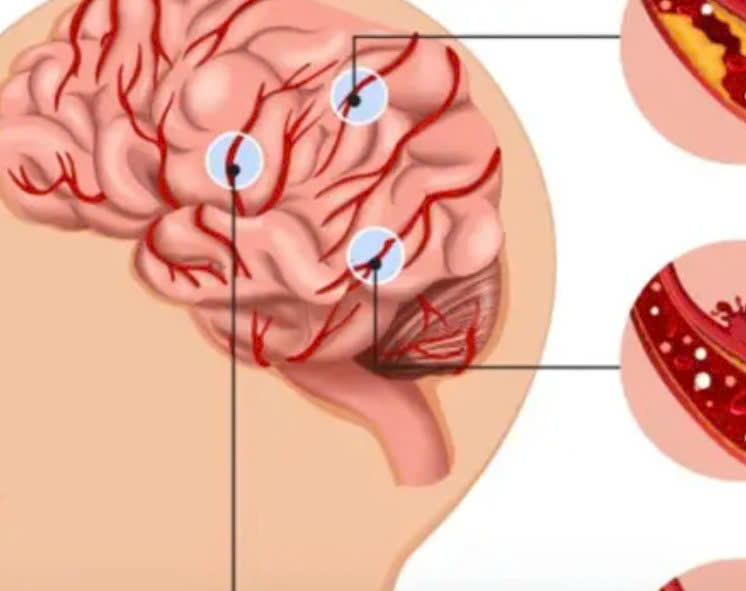
According to the British Heart Foundation, there are three main types of stroke, each with different causes and characteristics. The most common type is the ischemic stroke, often referred to as a blood clot stroke. This occurs when a clot blocks an artery that supplies blood to the brain, cutting off circulation to that area. Hemorrhagic strokes, also known as brain bleed strokes, happen when a blood vessel ruptures and bleeds into the brain. This bleeding reduces blood flow to nearby brain cells, causing damage or cell death. The third type is a transient ischemic attack, or TIA, commonly called a mini-stroke. TIAs occur when blood flow to the brain is briefly interrupted, causing temporary symptoms such as short-lived speech problems or weakness that usually resolve within minutes.
Medical professionals emphasize that lifestyle choices play a significant role in reducing the risk of stroke, and diet is one of the most important factors. Including specific nutrient-rich foods in your daily meals can support heart health, improve circulation, and help protect blood vessels. Leafy green vegetables such as spinach, kale, and Swiss chard are excellent examples. These greens are rich in vitamin K, folate, and antioxidants, which help regulate blood pressure, improve blood flow, and reduce inflammation, all of which are essential for lowering stroke risk.
Fatty fish like salmon, mackerel, and sardines are another valuable addition to a stroke-preventive diet. These fish are high in omega-3 fatty acids, which are known to reduce inflammation, lower triglyceride levels, and decrease the likelihood of blood clots forming. Regular consumption of fatty fish has been linked to improved cardiovascular health and better brain function over time.
Berries, including blueberries, strawberries, and blackberries, provide powerful antioxidants such as anthocyanins. These compounds help protect blood vessels from damage caused by oxidative stress and support overall brain health. Studies suggest that people who regularly eat berries may have a lower risk of stroke due to improved vascular function.
Extra virgin olive oil, a cornerstone of Mediterranean-style eating, offers monounsaturated fats and polyphenols that help lower bad cholesterol levels. By improving cholesterol balance and reducing inflammation, olive oil contributes to healthier arteries and a reduced risk of stroke. Nuts such as almonds, walnuts, and pistachios also support heart health. They contain beneficial fats, magnesium, and vitamin E, which work together to reduce inflammation and protect blood vessels.
Avocados are another nutrient-dense food that supports stroke prevention. They are rich in potassium and healthy fats, both of which help maintain normal blood pressure and protect arteries from damage. Maintaining stable blood pressure is one of the most effective ways to reduce the risk of stroke.
Vegetables such as carrots and tomatoes also play an important role. Carrots contain beta-carotene and antioxidants that support both vascular and brain health. Tomatoes provide lycopene, an antioxidant that has been associated with a lower risk of stroke, particularly in men. Garlic is another powerful food, known for its natural blood-thinning properties. It may help lower blood pressure and cholesterol levels, offering additional protection against stroke.
Beans and lentils are excellent plant-based sources of fiber, potassium, and folate. These nutrients help regulate blood pressure, stabilize blood sugar levels, and support overall cardiovascular health. Whole grains such as oats, brown rice, and quinoa are also beneficial. Their high fiber content helps lower LDL cholesterol, a major contributor to stroke risk.
Citrus fruits like oranges, grapefruits, and lemons contain vitamin C and flavonoids that improve blood vessel function and reduce inflammation. Bell peppers offer similar benefits, supplying antioxidants and vitamin C that protect blood vessels from oxidative damage. Coconut water can help support healthy blood pressure due to its electrolyte content, including potassium and magnesium.
Finally, proper hydration should never be overlooked. Drinking enough water each day helps prevent dehydration, which can cause blood to thicken and increase the risk of clot formation. Maintaining adequate hydration supports healthy circulation and overall brain function.
Disclaimer: This article is for informational purposes only and is not intended as a substitute for professional medical advice, diagnosis, or treatment. Always consult a qualified healthcare provider with questions regarding medical conditions or dietary changes.