A courtroom in Nevada delivered a powerful and far-reaching decision this week as Nathan Chasing Horse, once known for his role in the Academy Award–winning film Dances With Wolves, was sentenced to life in prison with the possibility of parole. The ruling comes after a lengthy legal process that concluded with a jury finding him guilty on multiple serious charges involving the abuse of women and underage girls, bringing an end to a case that has drawn widespread public attention.
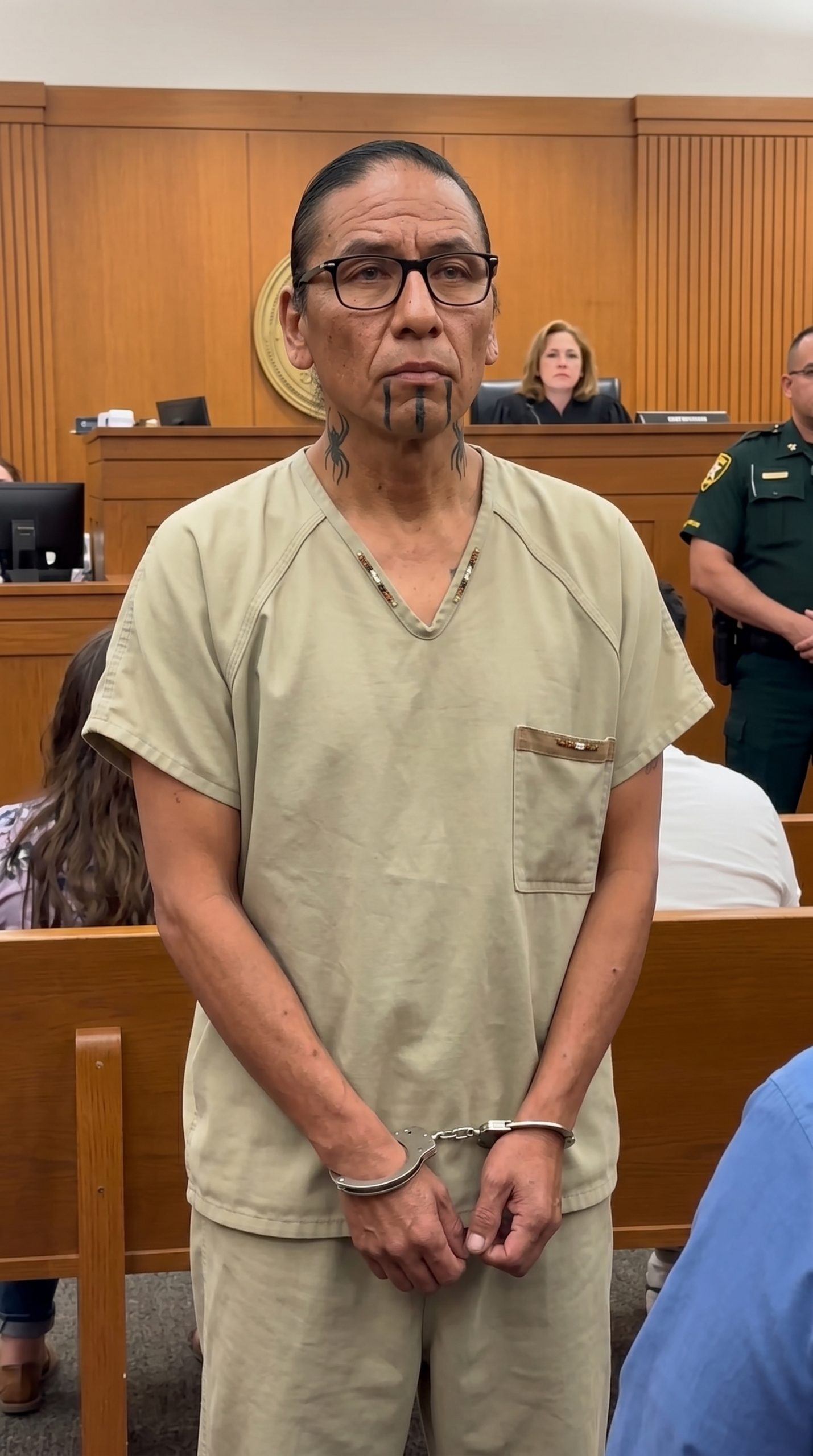
Chasing Horse, 49, appeared in court for sentencing on Monday, where he continued to deny wrongdoing. He rejected the jury’s findings and described the verdict as unjust. Despite his claims, the court proceeded with sentencing based on the outcome of an 11-day trial in which jurors carefully reviewed testimony, evidence, and arguments presented by both the prosecution and defense.
The jury ultimately found him guilty on 13 of the 21 charges filed against him. These charges stemmed from allegations that spanned several years and involved multiple individuals. The conviction marked a significant moment in a case that first came to public attention in early 2023, when a Nevada grand jury issued an indictment outlining a wide range of accusations.
According to prosecutors, Chasing Horse used his reputation and influence within Indigenous communities to gain the trust of vulnerable individuals. He was described in court as presenting himself as a spiritual figure, which, authorities argued, allowed him to establish authority and control over those around him. This dynamic became a central theme in the case, as prosecutors sought to demonstrate how that influence was misused.
Testimony presented during the trial painted a deeply concerning picture of manipulation and exploitation. One of the most critical aspects of the case involved a victim who was reportedly just 14 years old when the alleged abuse began. Prosecutors argued that the defendant engaged in a pattern of grooming behavior over time, gradually building trust before committing repeated acts of misconduct. This testimony played a key role in securing several of the convictions.
In addition to the charges involving minors, the case also included allegations related to multiple adult women. Prosecutors described a situation in which Chasing Horse maintained relationships with several individuals at the same time, some of whom were referred to as “wives” within a structured environment that authorities characterized as controlling. The prosecution argued that these arrangements reflected a broader pattern of coercion rather than genuine consent.
While the jury found sufficient evidence to convict on many of the most serious counts, Chasing Horse was acquitted on several others. Legal experts have noted that these acquittals may have been influenced by the complexities surrounding certain relationships, particularly those involving adults, where issues of consent and living arrangements introduced additional layers of interpretation.
The sentencing represents a dramatic shift in the life of a man who once held a respected position in both entertainment and cultural circles. Early in his career, Chasing Horse appeared in several notable productions, including The Broken Chain and Into the West. At one point, he was viewed as a figure connected to the representation of Indigenous stories in film and television. That reputation has now been overshadowed by the outcome of this case.
Beyond the courtroom, the case has sparked important conversations about power, trust, and accountability. Advocates and community leaders have emphasized the bravery of those who came forward, noting that speaking out against someone perceived as a leader can be extremely difficult. Their testimonies were instrumental in bringing the case to light and ensuring that it was fully examined through the legal system.
Legal analysts have also weighed in on the sentencing, noting that a life term with the possibility of parole reflects both the seriousness of the convictions and the structured approach required by law. While parole eligibility exists, it does not guarantee release. Any future consideration would come only after many years and would involve a detailed review process.
For many observers, the verdict represents a significant step toward justice for those affected. It also sends a broader message that positions of authority carry responsibility, and that misuse of trust can have serious legal consequences. The case highlights the importance of maintaining safeguards within communities and ensuring that individuals feel supported when raising concerns.
As the legal proceedings come to a close, the impact of this case is expected to continue resonating. It underscores the importance of awareness, accountability, and the role of the justice system in addressing complex and sensitive issues. While no outcome can fully undo harm, the resolution of this case represents an effort to uphold the principles of justice and protect others in the future.
Ultimately, this case serves as a reminder that public recognition and past achievements do not place anyone above the law. The responsibility to act with integrity remains essential, particularly in roles that involve influence over others. As discussions continue, the focus remains on learning from these events and reinforcing systems that prioritize safety, respect, and accountability for all individuals involved.