Some songs fade with time, tied closely to the era in which they were created. Others somehow survive generation after generation, carrying emotions that remain just as powerful decades later. One of the greatest examples of that lasting magic is “In the Still of the Night” by The Five Satins, a song widely considered one of the finest ballads ever recorded during the golden age of doo-wop. Its soft harmonies, heartfelt lyrics, and unforgettable melody continue to move listeners today just as deeply as they did in the 1950s.
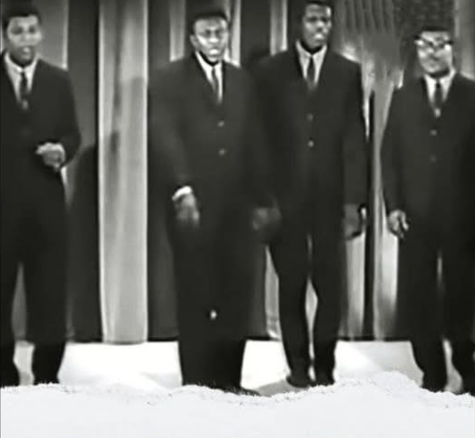
The song first emerged in 1956 during a period when doo-wop music was becoming one of America’s defining sounds. Built around harmony, romance, and emotional storytelling, the genre captured the hopes and feelings of young people across the country. “In the Still of the Night” stood out immediately because it felt genuine and deeply personal, as though listeners were hearing a private memory transformed into music.
At the center of the story was Fred Parris, the young songwriter and lead singer of The Five Satins. At only 19 years old, Parris was serving in the military and stationed in Philadelphia when inspiration struck. He had recently spent time with his girlfriend, Marla, who lived back home in Connecticut with his family. After returning to camp following a weekend together, he found himself overwhelmed by emotion and longing.
Years later, Parris reflected on those memories in an interview with Smithsonian Magazine. He explained that while he and Marla shared many special nights together, there was something unforgettable about experiencing young love for the first time. That emotional honesty became the foundation for the song that would later define his career.
While sitting at a piano inside the day room at his Army camp, Parris began shaping the chords and lyrics that eventually became “In the Still of the Night.” Outside, the cold evening sky and quiet atmosphere during his guard duty added even more emotion to the moment. Every feeling of love, distance, and longing poured directly into the music.
What made the song extraordinary was its sincerity. Rather than relying on complicated production or dramatic effects, it focused entirely on emotion. Parris captured the tenderness and vulnerability of young love in a way that listeners immediately recognized and understood. The result felt timeless almost from the very beginning.
Later that same year, Parris reunited with The Five Satins to record the song in New Haven, Connecticut. Instead of a glamorous recording studio, the group used the basement of St. Bernadette’s Church. The setting was simple, cold, and modest, but somehow it became the perfect environment for creating something unforgettable.
Using only basic tape recorders and the natural acoustics of the church basement, the group recorded the track with remarkable simplicity. The echo within the room gave the harmonies warmth and depth, creating a sound that felt both intimate and almost spiritual. Decades later, Parris would jokingly say that because the recording took place inside a church, perhaps the song itself had been blessed.
The recording session captured something special that could never be fully recreated. Parris’s emotional lead vocals blended beautifully with the smooth harmonies of the group, resulting in a performance that felt personal while also speaking to universal emotions. Listeners could hear the sincerity in every note and every lyric.
When “In the Still of the Night” was released, it quickly gained attention and climbed to number 24 on the Billboard Hot 100 chart. Although it was not the biggest chart hit of its time, its emotional impact proved far greater than its ranking alone suggested. The song became deeply connected to 1950s youth culture and romantic memories.
Its famous opening vocal line, “Shoo-doo-shoo-be-doo,” became instantly recognizable. Teenagers played the song during school dances, slow dances, and quiet evenings together. Over time, it grew into one of the defining musical memories of the era.
Ironically, the relationship that inspired the song did not last nearly as long as the music itself. Parris later shared that Marla traveled to California to visit her mother and never returned. While their romance eventually faded, the emotions captured in the song continued living on through millions of listeners across generations.
That lasting connection is one reason why “In the Still of the Night” remains so important in American music history. The song’s emotional honesty allowed it to outlive trends, changing musical styles, and even the era that created it. New listeners continue discovering it decades after its original release.
Many artists have recorded their own versions over the years, including groups such as The Beach Boys, Boyz II Men, and Debbie Gibson. Each interpretation introduced the song to new audiences while preserving the emotional heart that made the original so memorable.
The ballad also gained renewed popularity through appearances in films like Dirty Dancing and The Irishman. Those movies introduced younger viewers to the beauty of doo-wop music and helped ensure that “In the Still of the Night” remained part of popular culture rather than simply becoming a forgotten classic.
Fred Parris continued reflecting proudly on the song throughout his life until his passing in 2022 at the age of 85. What began as one young man expressing his feelings after a weekend with someone he loved eventually became a universal anthem about memory, longing, and romance.
More than anything else, the song represents the emotional depth of doo-wop music itself. Its harmonies are simple yet powerful, and its lyrics feel sincere without becoming overly dramatic. Listening to it today feels almost like stepping back into a beautifully preserved memory where emotion mattered more than spectacle.
Even now, “In the Still of the Night” continues connecting generations through its timeless message. It reminds listeners that while decades pass and styles change, the emotions behind great music never truly disappear.