When The Osmonds released “Down By The Lazy River” in January 1972, few people could have anticipated the remarkable impact the song would have on popular music. Packed with energy, confidence, and a rebellious spirit, the track represented a dramatic shift from the polished pop image that had originally made the family group famous. The song quickly became a major success, climbing to No. 4 on the Billboard Hot 100 in the United States and reaching No. 3 on the UK Singles Chart. Its popularity on both sides of the Atlantic established The Osmonds as a serious force in the evolving rock-pop landscape and proved they were capable of much more than traditional teen-idol success.
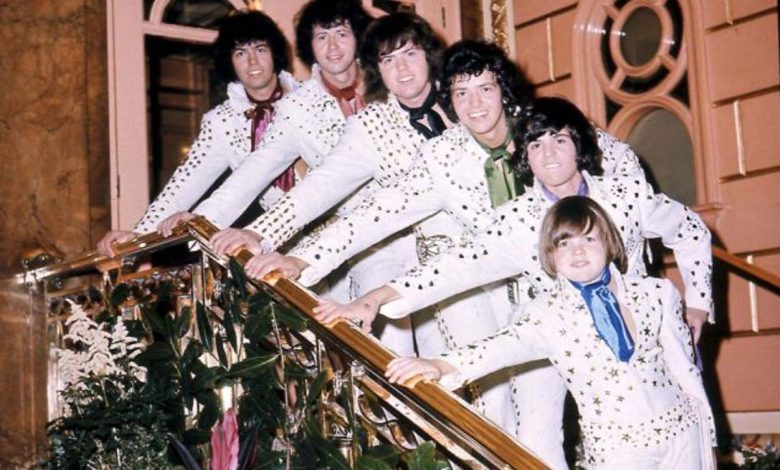
The story of The Osmonds began in Ogden, Utah, where brothers Alan, Wayne, Merrill, and Jay first performed together as a barbershop quartet. Their talent and charm attracted national attention during the 1960s through frequent appearances on The Andy Williams Show. Audiences embraced their wholesome image, strong vocal abilities, and close family bond. However, as music evolved during the late 1960s and early 1970s, the brothers recognized the need to grow artistically. With younger brother Donny Osmond joining the lineup, the group looked toward contemporary influences for inspiration. They admired the excitement of acts such as The Jackson 5 and the raw energy of rock bands that were dominating the charts. Rather than remaining confined to a safe pop formula, they decided to redefine their sound and broaden their appeal.
That transformation reached a defining moment with “Down By The Lazy River.” Written by brothers Alan and Merrill Osmond, the song emerged as a bold statement of creative independence. The track encouraged listeners to escape social pressures and embrace a place where they could feel free to be themselves. The “lazy river” described in the lyrics symbolized an escape from everyday worries and expectations. Merrill later recalled that the songwriting process was fast-paced and fueled by excitement, which perfectly matched the powerful energy that ultimately characterized the recording. The song was never intended to be reflective or sentimental. Instead, it was designed to be loud, exciting, and unforgettable.
Musically, “Down By The Lazy River” represented one of the most dramatic departures in The Osmonds’ career. The production leaned heavily into rock influences, featuring driving electric guitar riffs, forceful drumming, and dynamic vocal exchanges. Alan Osmond, who produced the song, deliberately crafted a sound that contrasted sharply with the group’s earlier pop-oriented recordings. The result was a track filled with momentum and intensity. Merrill’s lead vocals carried a gritty edge that surprised many listeners, while the group’s trademark harmonies remained intact, providing richness and depth. This combination of hard-driving rock elements and polished vocal arrangements allowed the song to connect with a broad audience that included both teenagers and adults.
The response was immediate and enthusiastic. “Down By The Lazy River” spent fourteen weeks on the Billboard Hot 100 and became one of the most successful singles of The Osmonds’ career. Beyond commercial success, it also earned the group a level of critical recognition they had not previously enjoyed. Publications that had once dismissed them as a simple teen-pop act began acknowledging their musical growth and ambition. The song successfully bridged the gap between bubblegum pop and mainstream rock, creating a sound that appealed to a diverse range of listeners. In doing so, The Osmonds shed the limitations of their clean-cut image and established themselves as artists capable of adapting to changing musical trends.
The timing of the song’s release played an important role in its success. The early 1970s were marked by cultural uncertainty, social change, and widespread disillusionment among many young people. Against this backdrop, “Down By The Lazy River” offered a message of escape and optimism. Its invitation to leave worries behind and enjoy a simpler, more carefree experience resonated deeply with audiences. The song provided a sense of release during a period when many listeners were searching for positivity and enjoyment. As a result, radio stations across multiple formats embraced the record. It received airplay not only on pop and Top 40 stations but also on some rock stations that had previously been reluctant to support family-oriented groups.
For The Osmonds, the success of the song marked a turning point in their professional journey. No longer viewed simply as television personalities or as Donny Osmond’s older brothers, they emerged as major international stars in their own right. The group launched extensive tours, filled arenas across the United States, the United Kingdom, and Japan, and gained new respect within the music industry. The credibility earned through “Down By The Lazy River” opened the door for additional rock-influenced releases and helped solidify their status as legitimate recording artists. In many ways, the song served as their entrance into a larger and more competitive world of popular music.
The influence of “Down By The Lazy River” extended beyond The Osmonds themselves. Its success encouraged other family groups and young performers to experiment with stronger, more adventurous sounds. The song demonstrated that pop acts could embrace rock influences without alienating their core audience. This crossover approach would later be reflected in the careers of family-based acts such as Hanson and the Jonas Brothers, both of whom successfully blended pop accessibility with broader musical influences. The Osmonds helped pave the way for that strategy decades earlier.
Over time, numerous artists have revisited the song through cover versions and reinterpretations. European pop-rock performers in the 1990s and early 2000s introduced the track to new audiences, often adding their own stylistic touches. Some versions emphasized rhythmic grooves, while others explored alternative or indie-inspired arrangements. Although none have matched the distinctive intensity of the original recording, these adaptations highlight the song’s flexibility and enduring appeal across generations.
Behind the scenes, The Osmonds were also navigating the challenges that accompanied their rapid rise to international fame. The demands of touring, recording, and maintaining a public image created significant pressure. Merrill later reflected that “Down By The Lazy River” represented a rare moment when every member of the group shared the same artistic vision. It was more than a successful single; it was a creative breakthrough that allowed them to push beyond limitations they once believed could not be overcome.
Today, “Down By The Lazy River” remains one of the defining songs of early 1970s rock-pop fusion. It continues to receive airplay on classic hits stations and appears on numerous retrospective collections celebrating the era. Music historians often point to the track as an example of how mainstream pop music began incorporating greater energy and rock influences while maintaining commercial appeal. Its layered harmonies, powerful instrumentation, and confident production helped establish a blueprint for vocal groups seeking to expand beyond traditional genre boundaries.
While The Osmonds would go on to enjoy additional successes in music and television, “Down By The Lazy River” remains their most iconic achievement. More than fifty years after its release, the song continues to stand as a testament to artistic reinvention, family unity, and the power of embracing change while staying true to one’s roots.