What was supposed to be a simple, joyful celebration—a child’s birthday filled with laughter, music, and the comfort of close family and friends—ended in heartbreaking tragedy in Stockton. In a matter of seconds, a peaceful gathering transformed into a scene of fear and devastation when gunfire suddenly erupted, leaving lives lost and a community shaken to its core.
The party had unfolded like so many others before it. Children ran freely across the yard, their laughter rising above the hum of conversation. Bright balloons bobbed gently in the afternoon breeze, and folding tables were decorated with plates of food, wrapped gifts, and colorful party favors. Parents stood nearby, chatting comfortably while keeping watch over their children. It was the kind of ordinary, wholesome scene that feels protected by its innocence.
Then, without warning, that sense of safety shattered.
Witnesses described hearing sharp cracks that sliced through the music and halted conversations mid-sentence. At first, confusion set in. Some thought it might be fireworks or a car backfiring nearby. But the sound was unmistakable, and the panic that followed confirmed their worst fears. Screams filled the yard as parents instinctively rushed to grab their children, shielding them with their bodies or guiding them toward any form of cover they could find.
In mere moments, the backyard celebration turned into chaos.
Guests scattered in every direction. Some dropped their phones, purses, and jackets as they ran. Children cried out for their parents. Decorations were knocked over in the scramble to escape. Party favors spilled onto the grass, and half-opened gifts were abandoned as survival became the only priority. What had just been a scene of laughter and celebration became one of fear and disbelief.
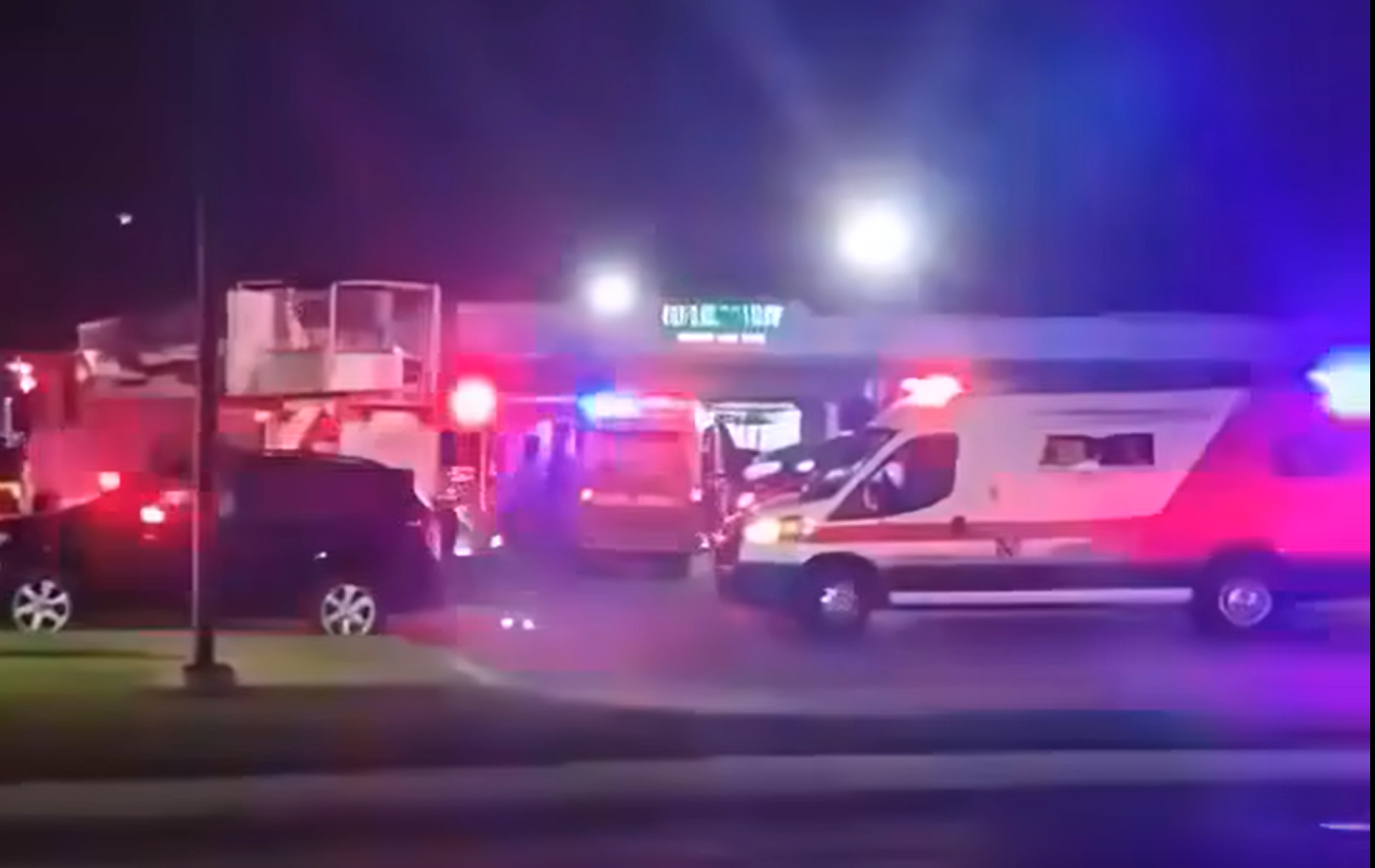
When the gunfire finally stopped, the damage was devastating. Four individuals lost their lives that night. Ten others were injured, some critically, and were rushed to nearby hospitals for emergency care. The flashing lights of ambulances and police vehicles illuminated the darkness as first responders arrived and worked quickly to secure the area and assist the wounded. The yard that had been filled with joy minutes earlier now stood as a site of unimaginable loss.
For families present, the shock was overwhelming.
Parents clutched their children tightly, checking again and again for injuries while trying to steady their own shaking hands. Some called out desperately for loved ones who had been separated in the chaos. Others stood frozen, unable to fully process what had just happened. A child’s birthday party—an event meant to symbolize growth, hope, and celebration—had been irreversibly marked by violence.
Neighbors, drawn by the sudden noise and the surge of emergency vehicles, gathered at a distance in disbelief. Many described feeling helpless as they watched the aftermath unfold. For a community that has faced challenges before, this tragedy struck especially hard because of where it occurred. This was not a public venue or a crowded downtown event. It was a private family gathering in a neighborhood yard.
As law enforcement secured the scene, investigators began the painstaking process of piecing together the events of that evening. Authorities collected surveillance footage from nearby homes and businesses and followed up on reports of a vehicle seen leaving the area around the time of the shooting. Officials cautioned that investigations of this nature take time and urged anyone with information to come forward.
For the families directly affected, however, time feels suspended.
Those who survived spoke of the haunting stillness that followed the chaos—a heavy silence filled with disbelief. Many replayed the moments leading up to the shooting in their minds, wondering if there had been signs they missed or actions they could have taken differently. These lingering questions add to the emotional burden, even though the violence unfolded without warning.
The physical space where the party took place will eventually be cleaned and restored. Decorations will be removed, and the yard will once again appear ordinary. But for those who were there, the memories attached to that place will not fade so easily. What was once associated with celebration now carries the weight of grief and trauma.
The birthday cake, meant to be shared amid smiles and photographs, has become a painful symbol of what was lost. For the family, that day now marks a permanent divide—a clear before and after in their lives. Anniversaries that once would have brought joy may now carry a different, more somber meaning.
City officials and community leaders expressed deep sorrow and extended condolences to the families affected. Vigils were organized in the days that followed, bringing residents together to mourn, light candles, and stand in solidarity. Flowers, handwritten notes, and stuffed animals appeared near the site, small gestures of compassion in response to overwhelming grief.
At the same time, difficult questions emerged.
How does a community heal when violence intrudes into even the most innocent of gatherings? For many parents, the tragedy has intensified fears that were already present. Birthday parties, school events, and family celebrations are meant to be safe spaces. The realization that such moments can be disrupted without warning has left many struggling with anxiety about how to protect their children.
Mental health professionals note that events like this leave deep emotional scars—not only for those directly involved, but for the broader community as well. Children who witnessed the incident may experience fear, confusion, or difficulty sleeping. Adults may grapple with anger, grief, and feelings of helplessness. Experts emphasize the importance of counseling, open conversations, and community support to begin the healing process.
As the investigation continues, officials stress that accountability is a crucial step toward closure. Yet even if arrests are made and answers provided, nothing can restore the lives lost or erase the trauma experienced that night.
For those who were present, this is not simply a headline or a news story. It is a life-altering event permanently etched into memory—the sounds, the confusion, the faces of loved ones in distress. These details linger long after the emergency vehicles leave and the news cameras move on.
Stockton now joins many other communities forced to confront the painful reality of violence interrupting everyday life. Beyond the statistics and breaking news alerts are families trying to rebuild, children forced to confront fear too early, and neighbors searching for meaning in something that feels senseless.
As the city mourns, one truth remains painfully clear: the impact of that night extends far beyond the yard where the party was held. It will live on in changed routines, in moments of hesitation before gatherings, and in the collective memory of a community forever altered.
In the aftermath of profound loss, residents are holding one another close, seeking strength in unity. Healing will take time. Grief will not disappear overnight. But the commitment to remember the victims and support the survivors stands firm.
For those families—and for Stockton as a whole—that night serves as a heartbreaking reminder of how fragile joy can be, and how deeply violence can wound even the most innocent moments of life.