When “Hang On Sloopy” blasted across American radio stations during the summer of 1965, it immediately captured attention with its infectious guitar riff, energetic rhythm, and unforgettable chorus. At a time when the British Invasion dominated popular music, the song arrived as a powerful reminder that American rock bands could still compete at the highest level.
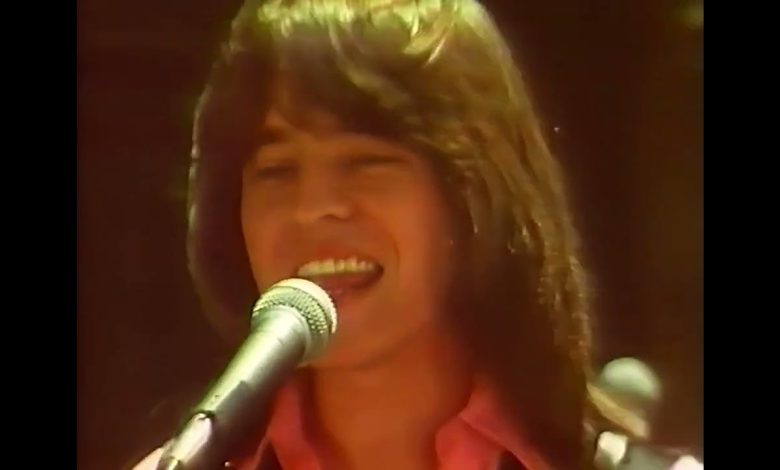
Released by The McCoys on Bang Records, “Hang On Sloopy” quickly became one of the defining records of the era. Its success not only propelled a young Midwestern band into the national spotlight but also helped create a musical legacy that continues to resonate decades later.
The song reached the No. 1 position on the Billboard Hot 100 for the week ending October 2, 1965. It remained on the chart for fourteen impressive weeks and earned a place among the year’s Top 40 songs. In an industry increasingly influenced by British acts, the achievement demonstrated that homegrown American talent still possessed tremendous commercial appeal.
The group responsible for the hit came from Union City, Indiana, located near the Ohio border. The band was fronted by sixteen-year-old guitarist and vocalist Rick Zehringer, who would later become widely known as Rick Derringer.
Before achieving national fame, the group performed under the name Rick and the Raiders. Like many young bands of the era, they developed their skills by playing fraternity parties, local dances, community events, and small venues throughout the Midwest.
Their performances were characterized by youthful enthusiasm, strong musicianship, and an energetic sound that encouraged audiences to dance. Rick’s blues-inspired guitar playing combined with drummer Randy Jo Hobbs’ driving rhythm section helped distinguish the group from many of their contemporaries.
Their willingness to travel extensively and perform wherever opportunities appeared helped build a loyal regional following.
Interestingly, “Hang On Sloopy” was not originally written for The McCoys.
The song had first been recorded in 1964 by the Los Angeles-based R&B group the Vibrations under the title “My Girl Sloopy.” Songwriters Wes Farrell and Bert Berns created the composition, which already possessed a memorable melody and catchy structure.
Over time, stories emerged suggesting that the song’s title may have been inspired by singer Dorothy “Sloopy” Sloop. However, Bert Berns never officially confirmed those claims, leaving the origins of the name somewhat mysterious.
Everything changed when producers Bob Feldman, Jerry Goldstein, and Richard Gottehrer heard The McCoys perform the song during a club appearance in Dayton, Ohio.
The producers immediately recognized something special.
The band’s lively, energetic interpretation transformed the song into something that felt perfectly suited for the emerging rock audience of the mid-1960s.
Convinced they had discovered a hit, the producers quickly brought the young musicians to New York City to record their version.
Inside Bell Sound Studios, the production team intentionally kept the arrangement straightforward and powerful. The recording featured driving rhythm guitar, handclaps, harmonica accents, and Rick Zehringer’s energetic lead vocal.
The producers also emphasized the song’s famous call-and-response chorus, creating a crowd-friendly atmosphere that invited listeners to sing along.
At just under three minutes in length, the finished recording was ideally suited for AM radio stations, which favored concise, energetic songs capable of immediately capturing audience attention.
Richard Gottehrer later recalled that the recording session moved quickly and efficiently. Rather than polishing away every rough edge, the producers preserved the raw energy that gave the performance its authenticity.
That decision proved remarkably successful.
Radio stations embraced the record almost immediately.
Within weeks, “Hang On Sloopy” surged up the charts, eventually replacing Barry McGuire’s “Eve of Destruction” at the top of the Billboard Hot 100. The song also achieved international success, reaching the Top 5 on the United Kingdom’s Official Singles Chart.
This accomplishment was particularly impressive considering that The McCoys had never toured internationally.
Demand for the single became so intense that record manufacturers reportedly struggled to keep pace with orders.
Teen magazines featured the band prominently, introducing them to young audiences across the country. Television appearances soon followed, placing the group on popular programs such as Shindig! and Hullabaloo.
Although the song did not receive major Grammy recognition, its popularity made it one of the defining recordings of 1965.
Yet perhaps the song’s most enduring cultural impact occurred in Ohio.
During the fall of 1965, an arranger for The Ohio State University marching band incorporated “Hang On Sloopy” into a football halftime performance. The reaction from fans was immediate and overwhelming.
The crowd enthusiastically embraced the song.
Its catchy chorus and high-energy spirit made it a natural fit for sporting events and school traditions.
Over time, the tune became deeply connected to Ohio State football culture.
The association grew so strong that in 1985 the Ohio General Assembly officially designated “Hang On Sloopy” as Ohio’s official rock song. The designation marked the first time a state legislature had granted such recognition to a rock recording.
As a result, the song became permanently woven into Ohio’s cultural identity.
The success of “Hang On Sloopy” transformed The McCoys almost overnight.
The band quickly evolved from regional performers into nationally recognized headliners. They toured alongside major acts including the Rolling Stones and the Yardbirds while releasing additional recordings that further expanded their popularity.
Their debut album generated another notable success with a Top Ten version of “Fever.”
For Rick Zehringer, the breakthrough opened doors to a long and influential music career. After adopting the name Rick Derringer, he achieved success with songs such as “Rock and Roll, Hoochie Koo” and worked with numerous respected artists as a producer, songwriter, and session musician.
The impact of “Hang On Sloopy” extended beyond commercial success.
Musically, it helped validate the garage-rock style that was developing throughout America during the 1960s. Its straightforward production, energetic vocals, and unpolished enthusiasm influenced countless regional bands.
Many musicians later cited the recording as proof that authenticity and excitement could be just as effective as elaborate studio production.
Numerous artists eventually recorded their own versions of the song.
Jazz pianist Ramsey Lewis achieved success with a soulful interpretation, while other performers continued introducing the tune to new audiences. Bar bands, college groups, and local musicians around the world adopted it as a reliable crowd favorite.
Even today, “Hang On Sloopy” continues to appear on classic-rock playlists and lists celebrating the greatest garage-rock recordings ever made.
More than sixty years after its release, the song remains a powerful example of how youthful ambition, memorable songwriting, and inspired performance can come together to create something truly lasting.
Its enduring popularity reflects not only its musical strengths but also the sense of excitement, community, and optimism it continues to inspire. From radio stations and football stadiums to streaming platforms and live concerts, “Hang On Sloopy” remains a timeless reminder of one of rock music’s most memorable moments.