When The Kinks released “Sunny Afternoon” in June 1966, popular music was rapidly changing. Psychedelic sounds were beginning to dominate the charts, and many artists were embracing experimental production techniques, abstract lyrics, and increasingly complex musical arrangements. Against that backdrop, “Sunny Afternoon” arrived as something entirely different.
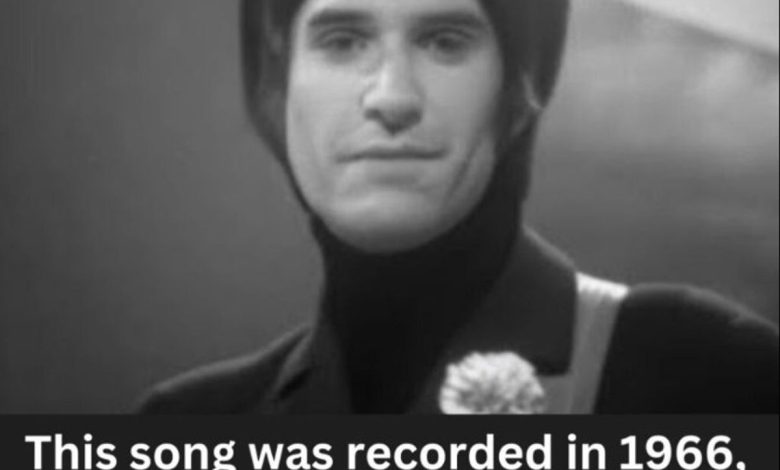
Rather than relying on swirling guitars or dreamlike imagery, the song presented a sharply observed story wrapped in a relaxed and deceptively cheerful melody. Beneath its easygoing surface was a clever commentary on wealth, privilege, and social change. The result was a song that felt both entertaining and thought-provoking, helping establish The Kinks as far more than a successful rock band.
The single quickly climbed to the top of the UK Singles Chart, becoming one of the defining songs of the era. Its success marked an important turning point not only for The Kinks but also for British rock music as a whole. It demonstrated that popular songs could deliver meaningful social observations while remaining accessible to a broad audience.
The Kinks were formed in Muswell Hill, North London, by brothers Ray Davies and Dave Davies. By the mid-1960s, they had already achieved major success with energetic hits such as “You Really Got Me” and “All Day and All of the Night.” Those early recordings were driven by powerful guitar riffs and youthful confidence, helping establish the group as one of the leading bands of the British Invasion.
What truly set The Kinks apart, however, was Ray Davies’ development as a songwriter. Over time, his writing became increasingly detailed, observant, and distinctly British. Rather than focusing solely on romance or rebellion, he began exploring everyday life, social structures, and cultural identity.
By 1966, Davies had grown interested in using music as a vehicle for storytelling and commentary. “Sunny Afternoon” became one of the clearest examples of this artistic evolution.
The song was written during a period when taxation policies in the United Kingdom were generating frustration among many high earners. According to the widely known story behind its creation, Ray Davies was unhappy about losing a substantial portion of his income to taxes. Instead of expressing that frustration directly, he transformed it into a fictional character.
The narrator of “Sunny Afternoon” is a wealthy aristocrat whose fortunes have declined. He complains about losing his yacht, being abandoned by his girlfriend, and watching his financial situation deteriorate. Yet despite all of his complaints, he still spends his days relaxing in the summer sun.
This perspective allowed Davies to create a satirical portrait of privilege. The character sees himself as a victim, but the audience can clearly recognize the irony. Rather than attacking wealth outright, the song gently pokes fun at entitlement and self-pity.
That balance helped make the song especially effective. It delivered social commentary without sounding angry or preachy. Instead, it felt playful, clever, and remarkably subtle.
The production also played an important role in shaping the song’s identity. Produced by Shel Talmy, “Sunny Afternoon” featured a noticeably restrained arrangement compared to many of The Kinks’ earlier rock-oriented recordings.
The song embraced elements of baroque pop, combining a relaxed rhythm with piano flourishes and a memorable descending bass line. These musical choices created an atmosphere that felt calm and inviting while quietly supporting the song’s underlying themes.
Ray Davies’ vocal performance was equally important. Rather than delivering the lyrics with dramatic emotion, he sang in a detached and understated manner. This approach enhanced the humor and irony of the song, allowing listeners to appreciate both the character’s complaints and the satire hidden beneath them.
Upon its release, “Sunny Afternoon” became an immediate commercial success. It reached number one on the UK Singles Chart and remained there for two weeks. In the United States, the song climbed to number 14 on the Billboard Hot 100.
Its American success proved particularly valuable for The Kinks, helping strengthen their presence in the U.S. market after a challenging period that included restrictions affecting their ability to tour the country.
Critics praised the song’s sophistication and originality. Many recognized that Ray Davies was moving beyond conventional rock songwriting and creating something more literary and culturally significant.
The song also connected with broader social changes taking place across Britain during the 1960s. While many artists were exploring themes related to spirituality, experimentation, and counterculture movements, The Kinks remained focused on British society itself.
Their songs often examined class divisions, suburban life, nostalgia, and questions of national identity. “Sunny Afternoon” fit perfectly within this creative direction.
The song encouraged listeners to think about wealth, fairness, and social structures while still providing an enjoyable listening experience. It demonstrated that pop music could be intelligent and reflective without sacrificing its entertainment value.
For Ray Davies personally, the song represented a major artistic breakthrough. It marked a shift away from straightforward rock and roll toward the more nuanced storytelling that would define later albums such as “Something Else by The Kinks” and “The Kinks Are the Village Green Preservation Society.”
These projects would further establish Davies as one of Britain’s most respected songwriters and cultural observers.
The influence of “Sunny Afternoon” extended well beyond The Kinks’ own career. Its success helped validate character-driven songwriting within mainstream popular music. Other artists increasingly embraced storytelling, satire, and social observation as important creative tools.
This trend contributed to the rise of concept albums and more ambitious lyrical approaches that became common during the late 1960s and early 1970s. The song’s combination of folk influences, pop melodies, and subtle commentary would later inspire artists including Blur, whose work often reflected The Kinks’ distinctly British perspective.
Although many performers have recorded cover versions of “Sunny Afternoon,” few have fully captured the unique balance of charm, irony, and emotional distance found in the original recording. Versions by artists such as Tom Jones and Jan & Dean offered fresh interpretations, but the essence of the song remained closely tied to Ray Davies’ distinctive vision.
At the time he wrote the song, Davies was dealing with exhaustion and growing frustration caused by constant touring and industry pressures. As a result, “Sunny Afternoon” functioned not only as satire but also as a personal expression of weariness and disillusionment.
That emotional authenticity helped elevate the song beyond simple social commentary.
Decades after its release, “Sunny Afternoon” remains one of The Kinks’ most celebrated recordings. It continues to appear on greatest-hits collections, radio playlists, and retrospectives exploring the music and culture of the 1960s.
Its enduring appeal comes from its remarkable ability to combine a pleasant melody with meaningful observations about society, privilege, and human nature. The song demonstrated that pop music could be thoughtful, sophisticated, and commercially successful all at once.
More than half a century later, “Sunny Afternoon” remains a shining example of how a seemingly simple song can carry layers of meaning. It gently invites listeners in with its relaxed sound while rewarding them with wit, insight, and timeless social commentary that continues to resonate across generations.