Most people pay close attention to their heart, lungs, or blood pressure when thinking about their health. However, many overlook one of the body’s most important sources of information—the feet. According to health professionals, your feet can often reveal early clues about underlying health conditions long before more obvious symptoms appear elsewhere.
Because the feet are the parts of the body farthest from the heart, they are often among the first places where poor circulation, nerve problems, and other health issues become noticeable. Changes in the skin, nails, or sensation in the feet may seem minor at first, but in some cases, they can provide valuable warning signs that should not be ignored.
Doctors emphasize that not every foot problem indicates a serious illness. Nevertheless, persistent changes deserve attention, especially when they occur alongside other health concerns. Understanding what these signs may mean can help people seek appropriate medical guidance and potentially identify health issues earlier.
One of the most common warning signs involves noticeable changes in the toenails.
Sign One: Thick, Yellow, or Brittle Toenails
At first glance, thickened or discolored toenails may appear to be nothing more than a cosmetic issue or a simple fungal infection. In many situations, that assumption is correct. Fungal infections are common and often cause nails to become thicker, yellowish, or brittle over time.
However, medical experts note that persistent nail changes can sometimes be linked to broader health concerns.
Healthy nails require a consistent supply of oxygen and nutrients delivered through the bloodstream. When circulation becomes impaired, the nails may not receive everything they need to grow properly. Over time, this can contribute to changes in their appearance and texture.
In some cases, thick, yellow, or fragile toenails may be associated with poor blood circulation. Reduced blood flow can limit the delivery of essential nutrients to the tissues of the feet, affecting both nail growth and overall foot health.
Diabetes-related complications may also contribute to nail abnormalities. Individuals with diabetes often experience circulation challenges and nerve-related issues that can affect the feet in multiple ways. While nail changes alone do not confirm diabetes, they may serve as one piece of a larger health picture.
Doctors suggest paying attention to several specific warning signs.
Toenails that become unusually thick or hard may deserve further evaluation, particularly if the condition develops gradually and continues to worsen.
Yellow, brown, or white discoloration that persists over time may also warrant attention. While discoloration often results from fungal infections, it can occasionally accompany other circulation-related concerns.
Another sign involves nails that crumble, split, or separate easily. Changes in nail strength and structure may indicate that the tissues supporting healthy nail growth are not functioning optimally.
Because nail changes can develop slowly, many people become accustomed to them and fail to recognize their significance. Regular foot inspections can help identify unusual developments before they progress further.
The second warning sign involves changes to the skin of the feet.
Sign Two: Skin Changes, Redness, or Unusual Spots
The condition of the skin can provide important clues about circulation, nerve function, and overall health. When blood flow becomes compromised or nerves are affected, visible changes often appear in the feet before other parts of the body.
Persistent redness is one sign that should not be overlooked. While redness can result from temporary irritation, ongoing discoloration may indicate underlying circulation concerns that deserve professional evaluation.
Dark spots or unusual skin discoloration may also require attention. Any skin change that appears unexpectedly or fails to improve over time should be monitored carefully.
Dry, cracked skin is another potential warning sign. Although environmental factors frequently contribute to dryness, skin that remains persistently cracked despite proper care may indicate reduced circulation or other underlying issues.
Slow-healing wounds or sores deserve particular attention. Healthy circulation plays a crucial role in the body’s ability to repair damaged tissue. When healing becomes delayed, it may suggest that blood flow or nerve function is being affected.
Medical professionals often associate these types of symptoms with several conditions.
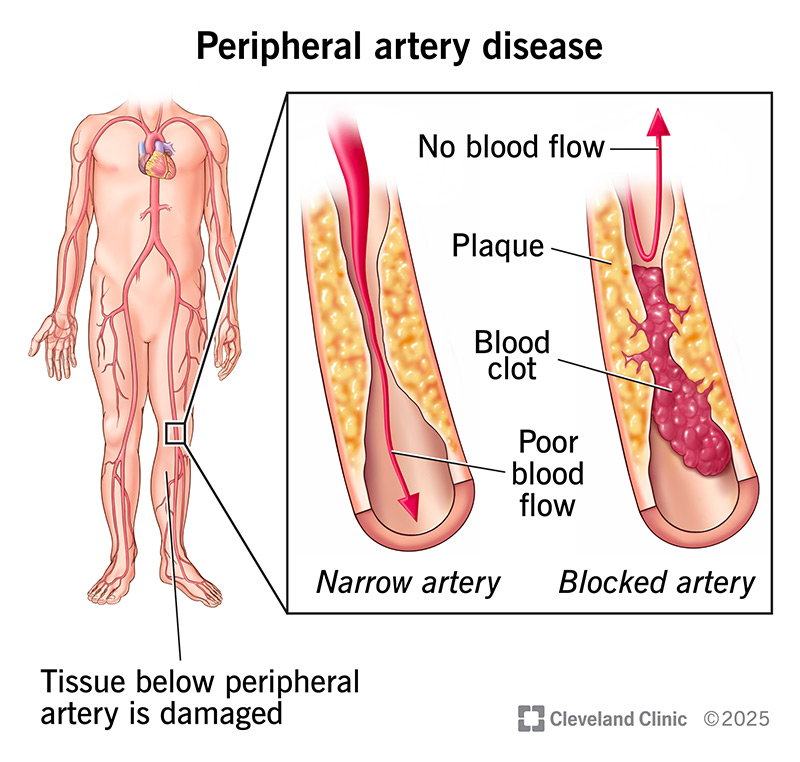
One possibility is peripheral artery disease, commonly known as PAD. This condition occurs when arteries become narrowed, reducing blood flow to the legs and feet. Because circulation is limited, individuals may experience skin changes, slower healing, and other foot-related symptoms.
Diabetic neuropathy is another concern. This condition involves nerve damage associated with diabetes and can affect sensation, circulation, and overall foot health. Individuals with diabetic neuropathy may experience numbness, tingling, discomfort, or changes in the appearance of the feet.
Reduced healing capacity may also occur when circulation problems interfere with the body’s ability to deliver oxygen and nutrients to injured tissues.
What Conditions Are Commonly Linked to These Symptoms?
Doctors often describe certain illnesses as “silent” because they can develop gradually without producing obvious symptoms during their early stages.
Several health conditions frequently associated with foot changes include diabetes, cardiovascular disease, and peripheral artery disease.
Diabetes can affect both nerves and circulation, increasing the risk of complications involving the feet. Early detection and proper management are important for maintaining long-term health.
Cardiovascular disease may reduce blood flow throughout the body, including the lower extremities. Since the feet are located far from the heart, they can sometimes reveal circulation problems before symptoms become noticeable elsewhere.
Peripheral artery disease specifically affects blood flow to the legs and feet. Because it often progresses slowly, many individuals remain unaware they have the condition until symptoms become more pronounced.
A Reality Check
Health experts stress that not every nail change, rash, or skin abnormality indicates a serious disease. Many common foot issues have simple explanations and can be treated effectively.
However, symptoms that are persistent, worsening, or occurring together should not be dismissed. Multiple changes appearing simultaneously may provide important clues that deserve medical attention.
Who Should Be Especially Careful?
Certain groups may benefit from paying extra attention to foot health.
People living with diabetes should inspect their feet regularly and report unusual changes to their healthcare provider.
Smokers may face a higher risk of circulation-related problems and should remain aware of changes involving their feet and lower legs.
Individuals with high blood pressure or elevated cholesterol levels may also benefit from monitoring foot health as part of their overall wellness strategy.
People with sedentary lifestyles should be mindful of circulation and take steps to remain physically active whenever possible.
What You Can Do
Doctors recommend checking your feet regularly for changes in nails, skin color, sensation, or healing patterns.
Keeping the feet clean and properly moisturized can help support healthy skin and reduce the risk of cracking.
Wearing well-fitting footwear is equally important, as proper shoes help protect the feet from unnecessary pressure and injury.
Most importantly, do not ignore persistent changes. While many foot symptoms are harmless, some may provide valuable early warnings about circulation, nerve health, or other medical conditions. Paying attention to these signs can help support earlier detection, better treatment options, and improved overall health.